About
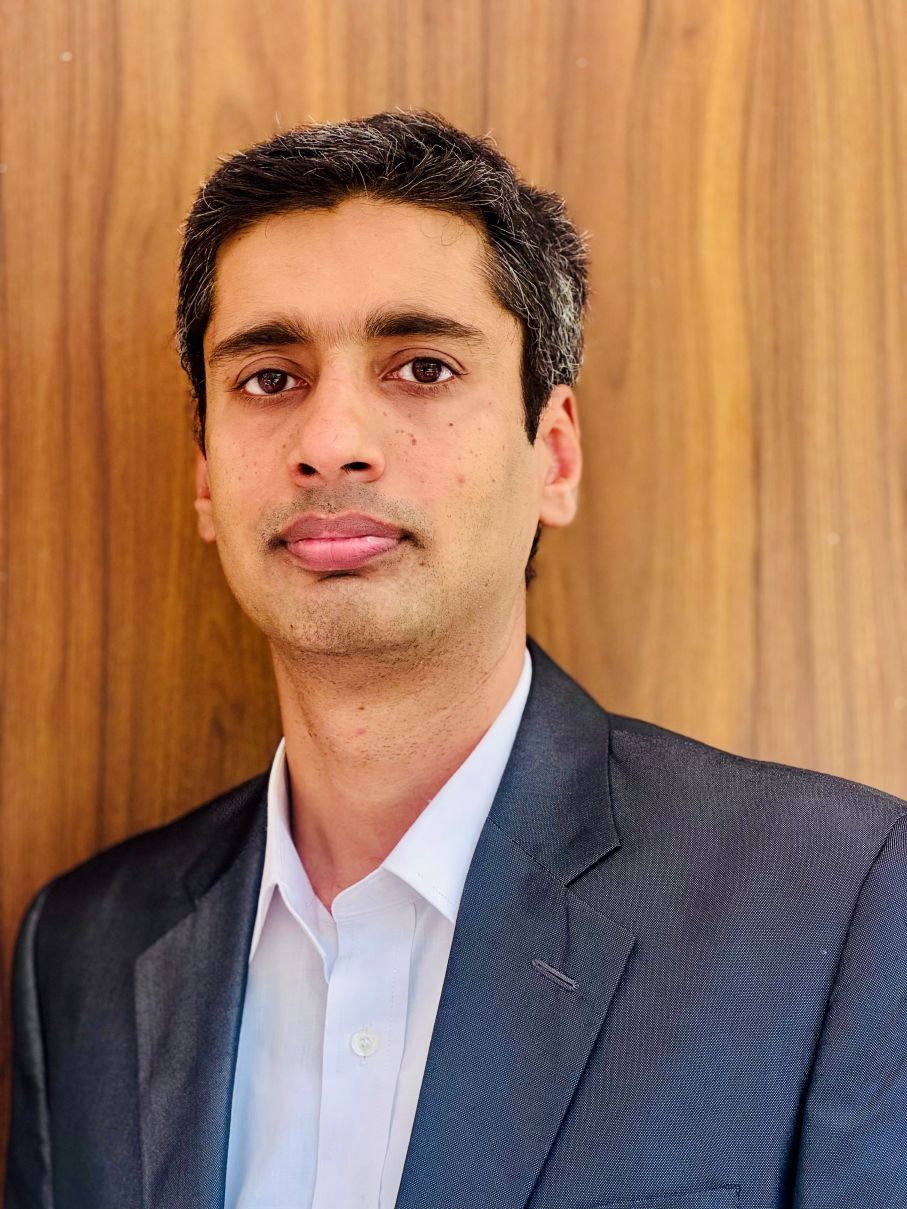
My name is Sudarsan Srinivasan.
Background
I have spent over two decades in the technology industry — at Infosys, Microsoft, Cognizant, HCL Technologies, and Amazon Web Services — in roles spanning engineering, architecture, and solutions consulting. The work has taken me across geographies and cultures: extended assignments and collaborations in the United States, Europe, and the Asia-Pacific, working with international teams on problems that required both technical precision and the ability to think across boundaries.
Study
I graduated in Physics (First Class with Distinction) and went on to a postgraduate degree in Computer Applications (First Class with Distinction) from the College of Engineering, Guindy — Anna University.
Alongside my professional work, I have continued to study formally — across disciplines that do not usually sit together:
- Business Administration (postgraduate)
- Philosophy (postgraduate)
- Jyotisha (postgraduate)
I went on studying long after formal education was supposed to end — because each subject kept opening into the next.
Why this practice
The word ānvīkṣikī names what this practice does: critical examination. Not advice, not instruction — examination. Looking carefully at what is actually in front of you, rather than what you have been told is there or what you assume must be.
After enough years of working in one field and studying several others, the connections between them became difficult to set aside. Mathematics turns out to clarify questions in philosophy. Older traditions of thought have something exact to say about how decisions are made. Physics and computing are not separate from the questions of how to live — they are different languages for the same inquiry.
I am, by temperament, more an academic than a corporate person — learning and teaching is what comes naturally to me. After spending years studying across these fields, the most natural next thing is to think alongside others who are working through real questions.
The point of bringing these fields together is not breadth for its own sake. It is that a question seen from only one direction is usually seen poorly. Reading across boundaries is not a luxury here; it is the condition for understanding anything deeply.